What Is iOS and Android Mobile App Development, and Why Does Your Business Need It?
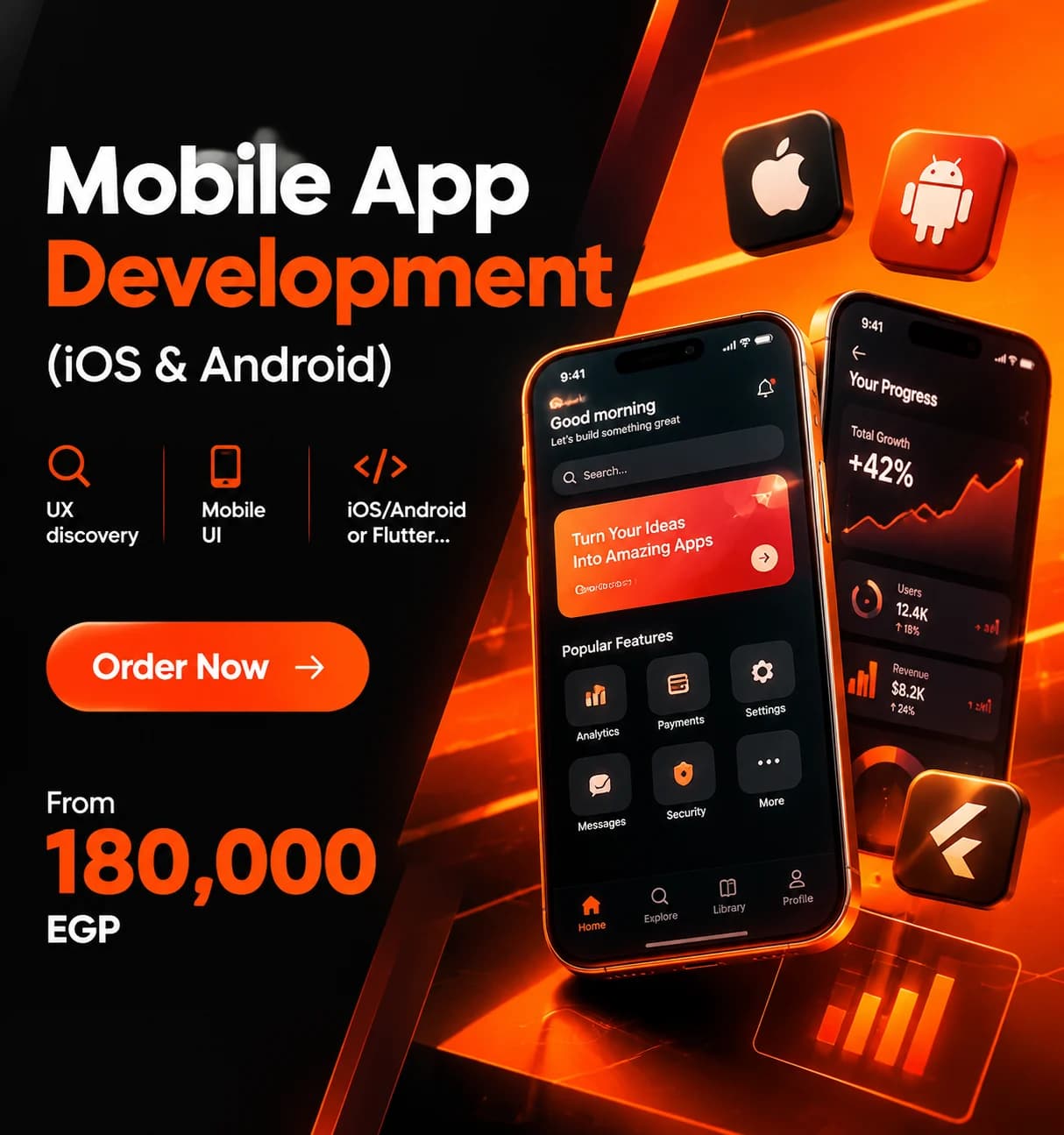
Mobile app development is the process of designing, building, testing, and launching applications that help businesses connect with customers through smartphones and tablets. At STRONG, we develop custom mobile applications for Apple's iOS platform and Google's Android platform, transforming business ideas into intuitive digital experiences that deliver practical value. Whether you want to launch a customer-facing service, streamline internal operations, create an online shopping experience, or introduce an innovative digital product, a professionally developed mobile application can help you achieve your business objectives.
As customers increasingly rely on mobile devices to discover products, purchase services, communicate with brands, and manage everyday tasks, businesses need convenient digital solutions that meet these expectations. A well-designed mobile application creates a direct connection between your company and its audience, offering accessible features, personalized interactions, and a consistent experience beyond traditional websites. With the right development strategy, your application can strengthen customer relationships, improve operational efficiency, and establish new opportunities for revenue and long-term growth.
Turning Business Ideas into Valuable Mobile Experiences
Successful mobile applications begin with a clear understanding of the problem they are intended to solve. STRONG works to align technical decisions with your business model, target audience, and future ambitions. Rather than building an application around unnecessary features, we focus on functionality that makes the experience useful, intuitive, and relevant to real users. This approach helps businesses invest in a product that supports measurable goals while remaining adaptable as customer expectations and market conditions change.
- Custom application development: Build tailored mobile applications that turn business ideas into intuitive digital experiences for iPhone and Android users, with features designed around your services, workflows, and customer needs.
- Business and audience analysis: Evaluate your business goals, target users, essential features, and expected usage patterns to establish clear development priorities and create platform-appropriate user experiences.
- Strategic technology selection: Choose native or cross-platform development according to your budget, delivery timeline, performance requirements, integration needs, and long-term scalability objectives.
One Development Strategy for Two Major Mobile Platforms
Developing for iOS and Android requires careful consideration of how people interact with different devices, operating systems, and interface conventions. Native development can provide platform-specific functionality and fine-grained performance control, making it suitable for applications with demanding technical requirements. Cross-platform development can share much of the application code between platforms, potentially reducing development time and maintenance effort while delivering a consistent experience. The best approach depends on your project's complexity, available resources, and expected growth rather than a single universal rule.
STRONG helps you evaluate these options before development begins, establishing a practical foundation for your mobile product. We consider usability, security, performance, integrations, and future enhancements as part of the overall solution. The result is a development direction designed to support your immediate requirements without overlooking future opportunities. By combining business-focused planning with thoughtful engineering, we help you build a mobile application that serves your users effectively and strengthens your digital presence across iOS and Android.
What Is Included in Our Mobile App Design, Development, and Integration Service?
At STRONG, our mobile app development service covers the essential stages required to transform your business requirements into a functional, reliable, and user-friendly application for iOS and Android. We combine interface design, feature development, backend integration, and technical documentation to deliver an application aligned with your objectives, target audience, and operational needs. Every project is planned according to its specific scope, ensuring that the design, functionality, and integrations work together as a consistent digital experience.
Professional UI/UX Design and Interactive Prototypes
We design intuitive user interfaces and user experiences that make your application easy to navigate and enjoyable to use. Our process begins with understanding your audience, business workflows, and the actions users need to complete. Based on these requirements, we develop user flows, screen layouts, and interactive prototypes that illustrate the application structure before full development begins. We tailor the interface to the conventions of each operating system, accounting for platform-specific navigation patterns, screen sizes, and interaction guidelines. This approach helps identify usability issues early, clarify project expectations, and reduce unnecessary revisions during implementation.
Custom Features and Core Application Functionality
Our developers implement the features required to support your business model and deliver practical value to users. Depending on the agreed project scope, these may include:
- User authentication: Registration, secure login, password recovery, and account access management.
- User profiles: Personal information, account settings, preferences, and relevant activity history.
- Push notifications: Timely updates, reminders, order status messages, and promotional communications where appropriate.
- Search and discovery: Search fields, filters, categories, and navigation tools that help users find relevant information or products.
- Ordering and booking: Workflows for product purchases, service requests, appointment scheduling, or other transactions.
- Payment functionality: Integration with suitable payment gateways to support secure transactions according to business requirements.
Features are prioritized based on your objectives, budget, and delivery timeline. This ensures the application provides the functionality your users need without introducing unnecessary complexity.
API Development, Database Connectivity, and Third-Party Integration
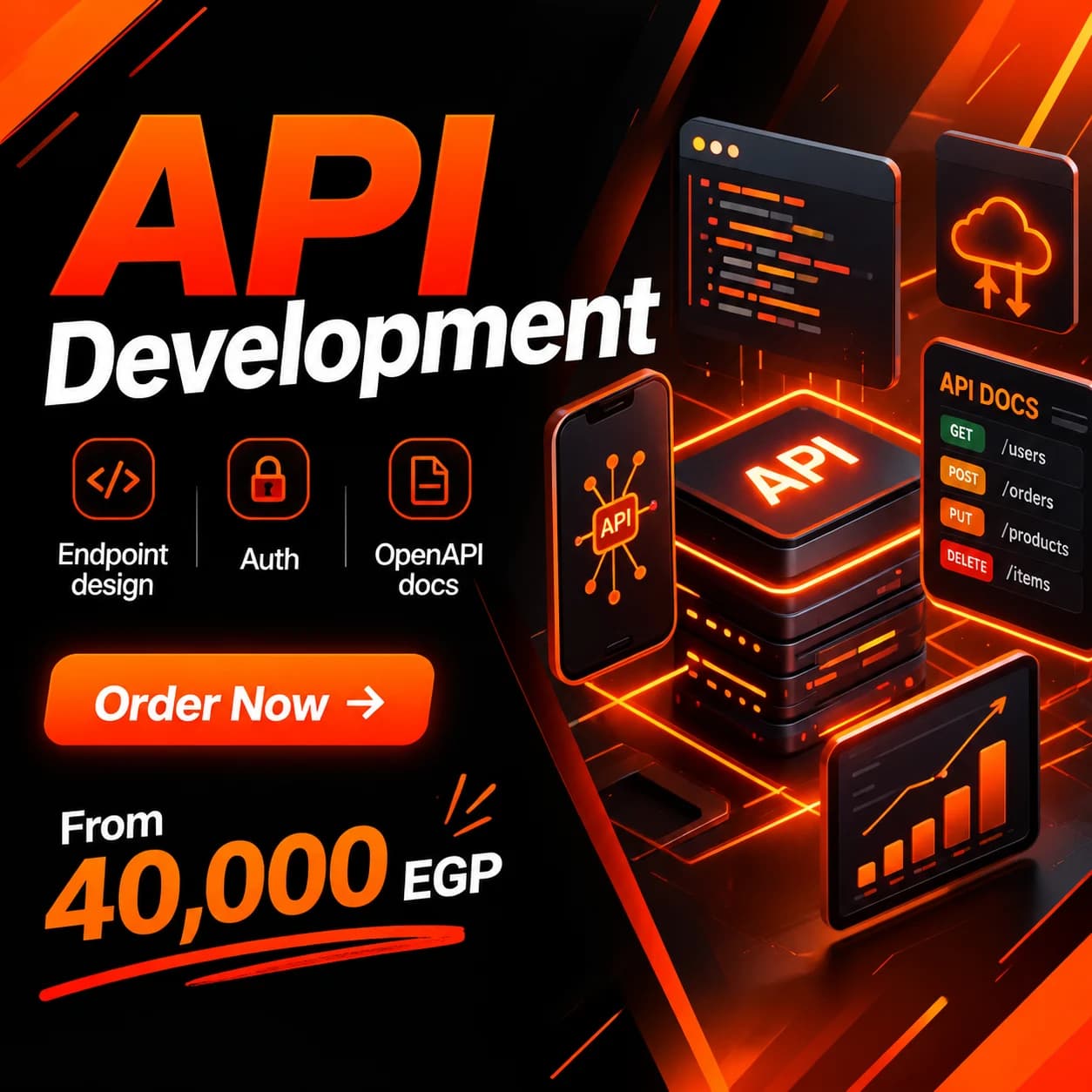
To connect the mobile application with your wider digital infrastructure, we build or integrate APIs that enable reliable communication between the app and backend systems. Depending on your requirements, this may include databases, content management systems, customer relationship management platforms, payment providers, mapping services, analytics tools, and other third-party applications. We consider data consistency, access permissions, error handling, and security when designing these connections. Our deliverables also include agreed code documentation and integration details to support testing, future maintenance, and further development.
Clearly Defined Deliverables and Project Scope
Before implementation, we establish the agreed features, supported platforms, integration requirements, and expected outputs. The final deliverables may include approved design files, application source code, API integrations, technical documentation, and tested builds, as specified in the project agreement. By defining responsibilities and acceptance criteria early, STRONG helps maintain transparency throughout development and provides a clear foundation for launching and evolving your mobile application.
Technologies and Tools for iOS and Android App Development
Choosing the right technologies is a critical step in building a mobile application that delivers reliable performance, an excellent user experience, and long-term business value. At STRONG, we select development frameworks, programming languages, backend systems, and databases according to your project requirements, target audience, integration needs, and future growth plans. Rather than relying on a single technology for every project, we build a technical foundation that supports your application's functionality, security, maintainability, and scalability across iOS and Android devices.
Native iOS Development with Swift and SwiftUI
For applications that require a deeply integrated Apple experience, we use Swift and SwiftUI to build native iOS solutions. Swift provides a modern, efficient programming language for developing applications within Apple's ecosystem, while SwiftUI helps create responsive interfaces using a declarative development approach. This combination is suitable for applications that benefit from platform-specific capabilities, smooth animations, consistent interface behavior, and close integration with Apple services. Depending on the project, we can also use relevant Apple development tools and frameworks to support device features, notifications, authentication, and other application requirements.
Native Android Development with Kotlin and Jetpack Compose
For Android applications, Kotlin offers a modern, concise, and maintainable programming language supported by the Android development ecosystem. We use Jetpack Compose where appropriate to build flexible user interfaces with reusable components and efficient UI development workflows. Native Android development is particularly useful when an application requires advanced device integration, platform-specific functionality, detailed control over performance, or a user experience tailored to Android conventions. Our technology choices help ensure that the application remains adaptable as Android devices, operating system versions, and business requirements evolve.
Cross-Platform Development with Flutter and React Native
When launching on both platforms efficiently is a priority, STRONG evaluates cross-platform technologies such as Flutter and React Native. Flutter enables teams to create applications from a shared codebase using Dart, while React Native supports cross-platform development through JavaScript or TypeScript and React-based development practices. Both approaches can reduce duplicated development effort and help maintain consistent functionality across iOS and Android. The appropriate framework depends on interface complexity, required native integrations, team expertise, performance expectations, and the need for platform-specific customization. We recommend cross-platform development when shared code offers meaningful benefits without compromising essential product requirements.
Backend Technologies, Databases, and Integrations
A mobile application also needs a dependable backend when it manages user accounts, transactions, business data, or real-time interactions. STRONG selects server-side technologies and data platforms based on the application's architecture and operational needs.
- Node.js: Supports API development and event-driven services for applications that require responsive communication and scalable backend processing.
- Laravel: Provides a structured PHP framework for business logic, authentication, administrative functions, and API-driven applications.
- PostgreSQL: Offers a relational database suitable for structured business information, transactional consistency, and complex queries.
- Firebase: Provides services such as authentication, cloud data capabilities, push notifications, and analytics, depending on the selected configuration.
Our team evaluates integration requirements, access controls, data protection, hosting arrangements, and expected usage before finalizing the architecture. We also consider API design, error handling, monitoring, and future maintenance to help prevent technical limitations as your application grows. By matching technologies to real business objectives, STRONG delivers iOS and Android applications with a practical balance of performance, development efficiency, security, and long-term flexibility.
Mobile App Development Phases: From Requirements Analysis to Store Release
Successful mobile app development requires a structured process that connects business objectives with technical implementation, usability, and reliable delivery. At STRONG, we organize iOS and Android app development into clear, reviewable phases, helping businesses understand project progress, validate important decisions, and maintain control over scope and priorities. Each phase builds on the previous one, reducing uncertainty and ensuring that the final application meets agreed functional, technical, and business requirements.
Phase 1: Requirements Analysis and Project Planning
We begin by examining your business goals, target audience, operational workflows, and the problems your application should solve. This discovery phase establishes the foundation for development and prevents unnecessary features or unclear expectations from affecting the project later.
- Define project scope, business objectives, target users, and expected outcomes.
- Identify core features, optional enhancements, and priorities for the initial release.
- Document functional requirements, technical constraints, third-party dependencies, and integration needs.
- Establish the project timeline, milestones, deliverables, and acceptance criteria for evaluating completed work.
The result is a practical development roadmap that aligns stakeholders and provides a reference for measuring progress throughout the project.
Phase 2: User Experience and Interface Design
Before implementation begins, our team plans how users will navigate the application and complete essential tasks. We develop user flows, screen structures, and interface designs that reflect your brand identity while supporting clarity, accessibility, and ease of use. Design decisions consider the differences between iOS and Android conventions, screen sizes, and interaction patterns. Reviewing these designs early allows stakeholders to provide feedback before major development effort is invested.
Phase 3: Application Development and Integrations
Once the design direction is approved, we implement the mobile application in manageable stages. Depending on the agreed architecture, this work may include native iOS and Android development or a cross-platform solution. Our developers build the application interfaces, business logic, backend services, database interactions, and required integrations with external systems. Features are delivered in reviewable increments, allowing you to assess progress, confirm expected behavior, and identify adjustments before moving to subsequent milestones. Version control and structured code reviews support maintainability and collaboration.
Phase 4: Quality Assurance and Device Compatibility
Before release, we verify that the application performs reliably under realistic conditions. Testing covers functional correctness, navigation, data handling, error recovery, and integration behavior. We also evaluate compatibility across relevant devices, operating system versions, and screen sizes. Security checks examine authentication, authorization, sensitive data handling, and communication with backend services. Performance testing helps identify slow screens, excessive resource consumption, and potential stability issues.
Phase 5: Store Preparation and Final Delivery
After testing and resolving agreed issues, STRONG prepares the application for submission to the Apple App Store and Google Play. This includes configuring release builds, preparing required store assets and descriptions, checking platform submission requirements, and coordinating necessary accounts and permissions. We provide agreed technical documentation and handover materials so your team can understand the delivered solution. Store approval remains subject to each platform's review process, but careful preparation helps reduce avoidable submission problems and establishes a clear path toward launch.
Mobile App Performance, Security, User Experience, and App Store Discoverability
A successful mobile application must do more than deliver the right features. It should load quickly, respond smoothly, protect user information, and remain reliable across different devices and network conditions. At STRONG, we approach mobile app development for iOS and Android with a focus on measurable performance, practical security, intuitive interactions, and long-term usability. These elements help businesses build customer trust, reduce friction, and create mobile experiences that encourage users to return.
Mobile App Performance Optimization
Slow loading, delayed responses, excessive battery consumption, and unexpected crashes can quickly undermine an otherwise valuable application. Our development process considers performance throughout implementation and testing, identifying bottlenecks before they affect the wider user base. We evaluate important technical factors, including:
- Startup time: Optimize initialization processes, resource loading, and background tasks to help users reach essential features faster.
- Responsiveness: Improve screen transitions, touch interactions, animations, and data processing to create a smooth experience on supported devices.
- Memory and battery usage: Review resource allocation, background activity, and inefficient operations to minimize unnecessary device consumption.
- Application size: Reduce avoidable assets and dependencies where practical, helping manage download requirements and installation overhead.
- Weak network conditions: Handle connection interruptions, loading states, request failures, and retry behavior appropriately so users can understand what is happening and recover when connectivity returns.
Testing across representative devices and operating system versions helps reveal performance differences that may not appear during development on a single device.
Security and Data Protection
Mobile applications may handle personal details, account credentials, business records, payments, or other sensitive information. STRONG incorporates security considerations into the application's architecture and implementation according to its functionality and risk profile. This can include secure authentication, appropriate session management, encrypted communication between the application and backend services, and careful handling of locally stored data.
We also consider permission management, ensuring that access to device features such as location, camera, and notifications is requested when needed and explained clearly to users. Data collection should remain proportionate to the application's purpose, while sensitive information and authentication credentials must be handled using suitable platform security practices. Security testing and dependency reviews can further help identify weaknesses before release. The exact measures depend on the application's requirements, integrations, and applicable compliance obligations.
App Store Discoverability and Continuous Improvement
Publishing an application is only the beginning. Potential users need to understand its value and find it through relevant searches. We support app store readiness by optimizing listing elements such as the application name, description, keywords where supported, and screenshots that demonstrate important features. Clear, accurate messaging helps set appropriate expectations and gives prospective users a reason to explore the app.
To guide ongoing improvements, STRONG can integrate analytics and crash-monitoring tools suited to the project. These tools help teams understand feature engagement, identify common failure patterns, evaluate user journeys, and prioritize improvements based on actual usage. Store listing performance and user feedback can also inform future refinements.
By combining performance engineering, security-conscious development, thoughtful user experience, and app store optimization, STRONG helps businesses launch iOS and Android applications designed to work reliably and improve over time. The result is a stronger foundation for customer satisfaction, sustainable adoption, and future product growth.
Who Needs Mobile App Development, and How Can You Start Your Project with STRONG?
Mobile applications can help businesses of different sizes improve customer experiences, simplify daily operations, and create new opportunities for growth. Whether you are launching a new business or modernizing an established company, STRONG provides mobile app development services for organizations that want to turn their ideas into reliable digital products. Our approach begins with understanding your business objectives, target audience, and operational requirements, ensuring that your application supports a clear purpose rather than simply adding another digital channel.
Startups and entrepreneurs can benefit from a custom iOS and Android application when introducing an innovative service, validating a business model, or building an initial customer base. A carefully planned first version can focus on essential features while leaving room for expansion as user needs become clearer. This approach helps startups prioritize their investment and establish a practical foundation for future development.
E-commerce businesses can use mobile applications to make product discovery, purchasing, order tracking, and customer engagement more convenient. Businesses offering bookings, subscriptions, delivery services, or digital products can also create smoother mobile experiences tailored to their customers. For established companies, custom applications can support loyalty programs, customer service, account management, and other interactions that strengthen long-term relationships.
Established companies and growing teams may also need internal applications that help employees access information, manage tasks, coordinate field operations, or communicate across departments. STRONG considers the intended users and workflows when defining the project, helping ensure that the application delivers measurable value for both customers and employees.
Every mobile application has different development requirements, so project costs and timelines depend on several important factors. These include the number of platforms, feature complexity, interface design, third-party integrations, security requirements, testing needs, and expected maintenance. An application with a focused set of features will generally require less development effort than a sophisticated platform involving multiple user roles, payment processing, external systems, and complex business logic. Supporting both iOS and Android can also affect the implementation strategy, depending on whether native or cross-platform technologies are the best fit.
At STRONG, we use the initial consultation to clarify these variables and establish realistic expectations before development begins. This makes it easier to prioritize essential functionality, identify technical dependencies, and align the project with your available budget and business goals.
Starting your mobile app project with STRONG is straightforward:
- Share your idea: Explain your business model, target audience, primary challenges, and what you want the application to achieve.
- Define the scope: Identify the core features, user journeys, platform requirements, integrations, and design expectations for the first release.
- Plan the technology and budget: Evaluate suitable development technologies, security considerations, estimated costs, and a realistic delivery timeline.
- Prepare for launch and growth: Establish a development roadmap that includes testing, deployment, ongoing maintenance, and future improvements based on user feedback.
Whether you have a detailed specification or only an initial concept, STRONG can help you turn your requirements into a structured development plan. Contact our team to discuss your project, explore the most suitable iOS and Android development approach, and identify the next steps toward launch. With clear priorities and a scalable technical foundation, your mobile application can evolve alongside your business and continue delivering value as your needs change.