Custom Management Systems to Streamline Your Business
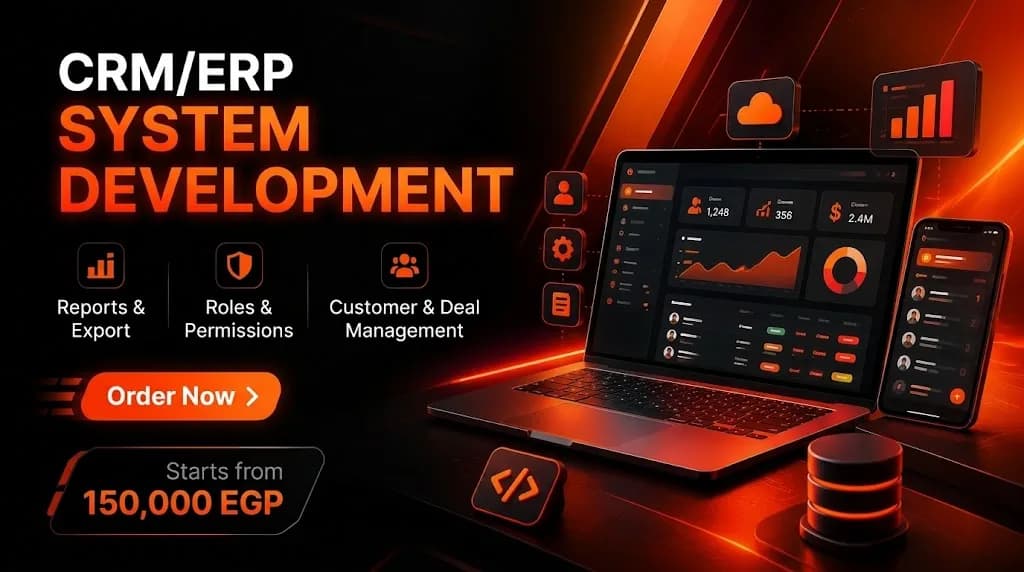
As businesses grow, managing customer relationships, internal operations, financial information, and daily workflows through disconnected tools can become increasingly complicated. A well-designed management system helps bring these essential activities together, giving your team a clearer view of business performance and a more efficient way to handle everyday responsibilities. At STRONG, we provide custom CRM and ERP system development tailored to your business model, operational requirements, and long-term objectives. Our approach focuses on creating practical digital solutions that simplify complex processes, improve information accessibility, and support sustainable business growth.
Customer Relationship Management (CRM) systems help businesses organize customer information, manage sales pipelines, track interactions, and strengthen relationships throughout the customer journey. Enterprise Resource Planning (ERP) systems connect core business functions, such as inventory, purchasing, finance, human resources, and operations, through a unified digital environment. Depending on your needs, we can develop a dedicated CRM or ERP solution or combine relevant capabilities into an integrated management platform that connects departments and reduces unnecessary manual work.
Every business operates differently, so an effective management system should reflect how your organization actually works. Our development process begins with understanding your existing workflows, identifying operational challenges, and determining which processes would benefit most from digital transformation. We examine how information moves between departments, where delays occur, and which repetitive tasks consume valuable time. These insights help us translate your operational requirements into a structured technical solution rather than forcing your team to adapt to a generic system that does not match its needs.
With STRONG, your management system can be designed around clear business priorities, whether you need better customer follow-up, more organized inventory records, improved sales visibility, centralized reporting, or stronger coordination between departments. We focus on connecting relevant data and processes so employees can access the information they need without relying on scattered spreadsheets, duplicated records, or lengthy communication chains.
Our solutions are also built with flexibility and scalability in mind. As your company introduces new services, expands its team, enters additional markets, or changes its operating procedures, your management platform should be able to evolve accordingly. A scalable architecture and a carefully planned feature structure help accommodate new requirements while maintaining a consistent operational foundation.
By developing a management system aligned with your business objectives, STRONG helps you establish a more organized, measurable, and connected working environment. The result is a practical digital foundation that supports more efficient operations, improves visibility across business activities, and enables managers to make informed decisions using reliable, accessible information.
- Develop customer relationship management and enterprise resource planning systems tailored to your business model and operational requirements.
- Analyze existing workflows and transform them into connected digital solutions that organize data and improve operational efficiency.
- Build a flexible, scalable system that supports business growth, improves performance visibility, and enables data-driven decisions.
Deliverables of an Integrated Management System
At STRONG, our CRM and ERP system development service delivers a tailored digital solution designed to connect your business processes, organize essential information, and support efficient daily operations. Rather than forcing your team to work around generic software limitations, we develop a management system aligned with your operational structure, business priorities, and future growth plans. Each project is scoped according to your requirements, ensuring that the final solution includes the functionality your organization needs without unnecessary complexity.
Our deliverables focus on creating a practical, connected environment where departments can access relevant information, coordinate tasks, and manage responsibilities through a unified platform. Depending on your business needs, your custom management system can include the following components.
- Custom functional modules: We develop dedicated modules for customer management, sales, inventory, procurement, human resources, and finance based on the approved project scope. CRM functionality can help your team organize customer profiles, track interactions, manage leads, and follow sales opportunities. ERP modules can connect internal workflows, monitor stock levels, organize purchasing activities, support employee administration, and structure financial records. Each module is designed around your actual business processes, helping reduce repetitive data entry and improve coordination between departments.
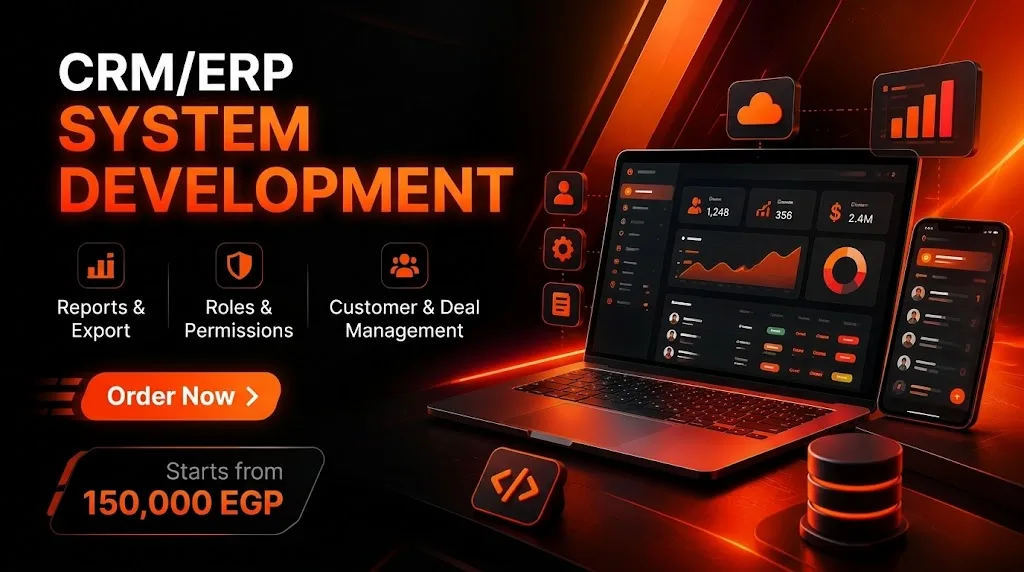
- Interactive dashboards and reporting tools: Your system can include dashboards that present key performance indicators, operational summaries, and relevant business information in a clear, accessible format. Custom reports help managers monitor sales performance, review inventory movements, track procurement activities, and evaluate other indicators appropriate to their operations. By bringing important information together, these tools make it easier to identify developing issues, follow progress toward targets, and make informed decisions based on available business data.
- User-friendly interfaces and access management: We design intuitive interfaces that help employees navigate the system, complete tasks, and find information with greater ease. Role-based access controls allow permissions to be assigned according to job responsibilities, helping restrict sensitive information to authorized users. The interface and permission structure are planned around your organizational needs, supporting a more organized and consistent working environment.
- Third-party integrations: When required, the system can integrate with suitable external platforms, business applications, and services through available APIs or other supported integration methods. Depending on technical feasibility and project scope, these connections may help synchronize information, reduce manual transfers, and maintain continuity between existing tools and your new management platform.
Every deliverable is defined by your business requirements. Before development begins, STRONG establishes the agreed functionality, reporting needs, user roles, integrations, and technical priorities. This approach creates a clear foundation for implementation and helps ensure that the completed CRM or ERP system supports real operational objectives. The result is a management solution built to improve visibility, strengthen collaboration, and provide a flexible foundation for your organization's ongoing digital development.
Technology Stack for CRM and ERP Development
Choosing the right technology stack is a critical step in developing a reliable, scalable, and maintainable CRM or ERP system. The technologies used must support your current business processes while providing the flexibility to accommodate future growth, new features, and changing operational requirements. At STRONG, we select frontend frameworks, backend technologies, database solutions, and integration tools according to each project's objectives, complexity, performance expectations, and security requirements. This approach helps ensure that your custom management system provides a consistent user experience, handles business data efficiently, and remains adaptable as your organization evolves.
Frontend Technologies for an Intuitive User Experience
The frontend determines how employees, managers, and administrators interact with the CRM or ERP system. We select technologies that support responsive interfaces, clear navigation, and efficient access to essential business functions across different devices. React is a suitable option for building interactive interfaces with reusable components, particularly when a system includes complex dashboards, customer records, reporting tools, and operational workflows. Next.js can provide additional capabilities for structured application development, routing, rendering strategies, and performance optimization where appropriate. Our selection depends on the application's architecture, usability requirements, and long-term maintenance needs.
Backend Technologies for Business Logic and Automation
The backend manages the core functionality of the system, including user permissions, business rules, workflow automation, data processing, and communication between application components. We can use Node.js to develop efficient backend services and APIs, particularly for applications that require responsive interactions and integration with multiple services. Laravel is another strong option for structured business applications that benefit from its established development conventions, authentication capabilities, and ecosystem. By matching the backend framework to the project requirements, STRONG helps create a dependable foundation for handling transactions, coordinating departments, and supporting future enhancements.
Database Architecture and Data Management
CRM and ERP platforms often manage interconnected information, from customer profiles and sales activities to inventory records, invoices, employee information, and financial transactions. Database selection must therefore reflect the structure, relationships, consistency requirements, and expected workload of the data.
- PostgreSQL: A powerful relational database suitable for complex relationships, transactional operations, and applications requiring robust data integrity.
- MySQL: A reliable relational database option for many business applications, including customer management, order processing, and administrative systems.
- Other suitable technologies: Additional database solutions may be considered when particular data structures, reporting requirements, or workload patterns justify their use.
We design database schemas, relationships, indexes, and access patterns to support efficient queries and dependable data handling. The architecture is planned around actual business requirements rather than choosing a database solely because it is popular.
Secure APIs and Flexible Integrations
A modern management system frequently needs to exchange information with payment gateways, accounting software, e-commerce platforms, marketing tools, shipping providers, and third-party business applications. STRONG develops APIs and integration workflows that enable these systems to communicate reliably while maintaining clear data boundaries. We prioritize secure authentication, authorization, input validation, controlled data access, and appropriate error handling. We also consider API versioning, documentation, monitoring, and maintainable integration patterns to simplify future changes.
Across the entire technology stack, we emphasize security, scalability, maintainability, and long-term flexibility. The result is a CRM or ERP solution built around your operational needs, with a technical foundation that can support additional users, growing data volumes, new integrations, and evolving business processes without unnecessary complexity.
Management System Development Phases
Developing an effective CRM or ERP system requires a structured process that connects your business objectives with practical, reliable technology. At STRONG, we follow a clearly defined development approach that helps ensure your management system reflects your actual workflows, supports your team's daily responsibilities, and remains adaptable as your business grows. From the initial discovery stage to deployment and ongoing support, each phase is designed to reduce uncertainty, improve implementation quality, and deliver a solution aligned with your operational priorities.
Phase 1: Business Analysis and Requirements Definition
We begin by understanding how your organization operates, the challenges your team encounters, and the outcomes you expect from a new management system. This discovery process identifies opportunities to improve efficiency, organize information, and connect business functions. We document functional requirements, user roles, reporting needs, and integration expectations before establishing a development roadmap.
- Analyze business needs, document requirements, map workflows, and define core modules and implementation priorities.
- Identify process bottlenecks, duplicated tasks, information gaps, and opportunities for automation.
- Establish project scope, measurable objectives, and priorities that guide development decisions.
Phase 2: System Planning and Design
Once the requirements are clear, we translate them into a practical system design. This stage establishes how users will interact with the platform, how information will be organized, and how different modules will communicate. We consider usability, security, scalability, and integration requirements from the beginning to create a foundation that supports both current operations and future improvements.
- Design the user experience, system architecture, and database structure before developing features and integrations in clearly defined stages.
- Define module relationships, access permissions, data flows, and the structure of essential reports and dashboards.
- Plan connections with relevant business tools and external services according to the agreed project scope.
Phase 3: Development and Integration
With the design approved, our development team builds the system in manageable stages. Depending on your requirements, this may include customer relationship management, sales tracking, inventory management, purchasing, accounting workflows, employee administration, or operational reporting. A staged approach makes progress easier to review and allows important features to be validated before the next development milestone begins. STRONG also focuses on maintaining consistency between modules so authorized users can access accurate, relevant information without unnecessary manual transfers.
Phase 4: Testing, Deployment, and User Training
Before launch, the system undergoes structured testing to confirm that its features work as intended and that key workflows operate reliably. We evaluate functionality, security controls, performance, and integration behavior, then resolve identified issues. Following validation, we deploy the system according to the agreed implementation plan, help prepare users for the transition, and provide guidance on everyday operations.
- Test functionality, security, and performance, resolve issues, deploy the system, train users, and provide post-launch support.
- Verify critical business scenarios, permissions, reports, and data handling procedures before release.
- Support adoption through practical training, initial troubleshooting, and assistance after launch.
Phase 5: Continuous Improvement and Support
Business requirements evolve, and your management system should evolve with them. After deployment, STRONG can help address emerging needs, refine workflows, improve existing features, and plan additional modules as your organization expands. This phased approach gives your business a clear path from initial requirements to a dependable management solution, with implementation decisions guided by operational value, technical quality, and long-term business goals.
SEO, Performance, and System Security Optimization
A reliable CRM or ERP system must do more than support daily operations. It should deliver responsive performance, protect sensitive business information, and maintain a technical structure that supports long-term growth. At STRONG, we approach optimization as an essential part of CRM/ERP system development, helping businesses maintain efficient workflows while safeguarding operational data. Our team considers performance, security, and search engine requirements according to the system's purpose, architecture, and expected usage.
Performance Optimization for Faster Operations
Slow dashboards, delayed reports, and inefficient database operations can interrupt productivity and frustrate employees. We identify potential bottlenecks and optimize the components that have the greatest impact on everyday system usage. This process helps ensure that employees can access relevant information, process transactions, and complete routine tasks without unnecessary delays.
- Response time optimization: We review application logic, API requests, and resource-intensive operations to reduce unnecessary processing and improve responsiveness across frequently used features.
- Database query optimization: We examine database queries, indexing strategies, relationships, and data retrieval patterns to improve the efficiency of searches, reports, and complex business operations.
- Appropriate caching: Where suitable, we introduce caching for frequently requested information and reusable results, with appropriate invalidation and refresh strategies to avoid displaying outdated business data.
- Scalability considerations: We assess expected user activity, data growth, and workload patterns to help the system remain stable as transaction volumes and operational requirements increase.
Security and Business Data Protection
CRM and ERP platforms often contain confidential customer records, financial information, employee details, and internal business documents. Protecting this information requires security measures that reflect how the organization operates and how different users interact with the system. We incorporate appropriate safeguards throughout development and consider security as an ongoing operational responsibility rather than a one-time configuration.
- Access controls: We implement role-based permissions and appropriate authorization checks so employees can access the records, functions, and administrative tools required for their responsibilities.
- Input validation: We validate incoming data and apply suitable protections against common application vulnerabilities, including injection attacks and unauthorized requests.
- Data protection: We apply appropriate encryption, secure communication practices, and responsible handling of sensitive information based on system requirements and applicable obligations.
- Backup and recovery: We establish suitable backup procedures and recommend recovery testing to support data restoration and business continuity in the event of accidental deletion, system failure, or other incidents.
Technical SEO and Accessibility Where Relevant
Most internal CRM and ERP interfaces are designed for authorized users, not public search engine indexing. However, a management platform may include public-facing pages, service directories, documentation, or other content intended to be discoverable online. When these elements are part of the project, we optimize relevant page structure, metadata, crawlability, loading performance, and accessible navigation. We also ensure that authentication requirements, indexing directives, and access restrictions prevent private dashboards, customer records, financial reports, and other confidential business information from being exposed to search engines.
By combining performance improvements, practical security controls, and relevant technical SEO measures, STRONG helps businesses build CRM and ERP solutions that are responsive, dependable, and prepared for future development. The result is a management system designed to support efficient operations while maintaining appropriate protection for the information your organization relies on.
Who Is It For? Build Your System with STRONG
Every business has its own way of managing customers, coordinating teams, and handling daily operations. As these activities become more complex, relying on disconnected applications, spreadsheets, and manual processes can limit productivity and make it harder to maintain a clear picture of business performance. STRONG provides custom CRM and ERP system development for organizations that want to establish a more structured, connected, and scalable approach to business management. Our solutions are designed around your actual workflows, helping you select the right functionality, organize information effectively, and build a platform that supports your operational priorities.
Whether you are improving an established business or preparing your organization for its next stage of growth, a tailored management system can help you work more efficiently while maintaining greater control over your data and processes. The objective is not simply to introduce new software, but to create a practical digital foundation that aligns with how your organization operates and where it intends to go.
Our CRM and ERP development service is particularly suitable for the following organizations:
- Businesses and enterprises seeking centralized management: Organizations that need to bring customer records, sales activities, internal processes, and operational data into a scalable management platform. A customized system can provide authorized teams with access to consistent information, reduce fragmentation between tools, and support a more complete understanding of business activities as the organization grows.
- Organizations aiming to improve operational efficiency: Companies that want to reduce repetitive manual work, strengthen collaboration across departments, and improve the accuracy of operational reporting. By organizing workflows and connecting relevant information, a CRM or ERP solution can help teams coordinate responsibilities more effectively, reduce avoidable errors, and make informed decisions using more reliable data.
- Growing companies preparing for expansion: Businesses that anticipate additional employees, customers, branches, products, or operational requirements can benefit from a system designed with scalability in mind. Rather than repeatedly adapting unsuitable tools, they can establish a flexible platform that evolves alongside changing business needs.
- Organizations with specialized workflows: Companies whose processes cannot be fully supported by standard software may require tailored modules, specific approval procedures, customized dashboards, or integrations with existing business applications. Custom development makes it possible to prioritize these requirements without introducing unnecessary complexity.
Build your management system with STRONG. The first step is understanding your objectives, current challenges, and expectations for the proposed solution. Contact STRONG to discuss your requirements and receive a technical proposal and development roadmap aligned with your goals and budget. Our team can help define the appropriate scope, identify essential features, and establish practical development priorities. Whether you need a customer relationship management platform, an enterprise resource planning system, or an integrated solution connecting both functions, we can help you plan a system that supports your business today and provides room for future development.
Choose a development approach centered on your operations, your team, and your long-term direction. With STRONG, your CRM or ERP project begins with a clear understanding of what your business needs and a practical plan for turning those requirements into a reliable digital management solution.